Overview
What was it like to be a child during the Second World War?
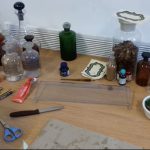
In this engaging and interactive workshop, pupils discover how the war affected the lives of ordinary children across Britain. Through storytelling, discussion, object handling and practical activities, pupils explore evacuation, gas masks, rationing and everyday life on the Home Front.
By comparing the experiences of wartime children with their own lives today, pupils gain a deeper understanding of how families adapted during a time of uncertainty and change. Pupils are encouraged to dress in wartime clothing to help bring the period to life and immerse themselves in the experience.
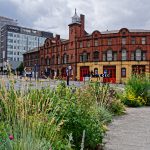
The workshop is complemented by a guided visit to the museum’s Engine House and Sheffield Blitz Exhibition, where pupils discover how local people experienced the war and the important role played by the emergency services.
Learning Outcomes
By the end of the session, pupils will be able to:
- Understand why Britain became involved in the Second World War.
- Describe the experiences of children during wartime.
- Explain why some children were evacuated from their homes.
- Understand why gas masks and ration books were used.
- Compare daily life during the war with life today.
- Develop empathy and understanding through historical enquiry.
Key Enquiry Questions
Throughout the workshop, pupils investigate questions such as:
- What was it like to be a child during the Second World War?
- Why were children evacuated?
- How would it feel to leave your family behind?
- Why did everyone carry a gas mask?
- What was rationing and why was it necessary?
- How was life different for children during wartime?
Workshop Activities
Setting the Scene
Pupils are introduced to the Second World War and discover how Britain became involved in the conflict.
Using age appropriate discussion and storytelling, they explore:
- Why the war began.
- How Britain prepared for the possibility of conflict.
- What families thought might happen.
- Why people were worried about bombing raids.
Evacuation
Through role play and object handling, pupils discover what happened when thousands of children left towns and cities for the safety of the countryside.
Using a replica evacuee outfit and suitcase, pupils investigate:
- What an evacuee was.
- Why children were sent away from home.
- What they might have packed.
- How it might have felt to leave their families.
- Life in the countryside during wartime.
Pupils explore genuine stories of evacuation and compare these experiences with their own lives today.
Gas Masks
Pupils discover why every child and adult in Britain was issued with a gas mask.
Using authentic examples and replica equipment, they investigate:
- Why people feared gas attacks.
- How gas masks worked.
- Different types of gas masks for adults, children and babies.
- Why children were encouraged to carry their gas masks everywhere.
The session also explores how the government tried to make children’s gas masks less frightening by giving them friendly designs and names.
Rationing
Pupils discover how wartime shortages changed the way people shopped and ate.
They explore:
- Why food was rationed.
- How ration books worked.
- Which foods were difficult to obtain.
- The importance of the Dig for Victory campaign.
- How families adapted to shortages.
Rationing Challenge
Working together, pupils take part in a practical rationing activity where they compare wartime food allowances with modern diets.
Through discussion and problem solving, they discover:
- How little food was available compared with today.
- Why rationing was introduced.
- How the government tried to ensure everyone received a fair share.
- Why rationing continued long after the war ended.
Reflection
The workshop concludes with a discussion about how children showed resilience during the war and how their experiences differed from those of young people today.
Pupils consider what they would have found most challenging about wartime life and reflect on the importance of community, family and friendship during difficult times.
Museum Experience
Following the workshop, pupils take part in a guided visit to the museum’s Engine House and Sheffield Blitz Exhibition.
During this session they will discover:
- What happened during the Sheffield Blitz.
- The experiences of local children during wartime.
- How firefighters and other emergency services responded to bombing raids.
- The dangers posed by incendiary bombs.
- Authentic wartime objects and stories connected to Sheffield.
Students then continue exploring the museum independently, discovering vehicles, equipment and personal stories that bring wartime history to life.
Curriculum Links
This workshop supports learning across several areas of the curriculum, including:
History
- Events beyond living memory.
- The Second World War.
- Changes in everyday life.
- Historical enquiry.
- Similarities and differences between past and present.
PSHE & Citizenship
- Communities and belonging.
- Empathy and understanding.
- Resilience and adaptation.
- Family and relationships.
Skills Developed
Pupils will develop:
- Historical enquiry.
- Observation.
- Communication.
- Discussion and listening skills.
- Empathy and perspective taking.
- Comparison and contrast.
- Critical thinking.
Visit Information
This workshop forms part of a full museum learning day, running from 10:00am until 2:00pm.
During the day, groups rotate through a programme of activities consisting of:
- One 45 minute Children During the Second World War workshop.
- One 45 minute guided museum experience.
- Two 45 minute self guided museum exploration sessions.
- One 45 minute lunch break.
This varied programme combines facilitated learning with opportunities for independent exploration across the museum’s galleries.
Practical Information
Suitable for: KS1 & KS2
Workshop duration: 45 minutes
Museum visit: Full learning day (10:00am to 2:00pm)
Group size: Up to 35 pupils per group
Daily capacity: Up to three groups (approximately 105 pupils) can be accommodated each day, with groups rotating through the day’s activities.
Accessibility: We are committed to making our learning programme accessible to all learners. Please let us know about any access requirements when booking so we can adapt the session wherever possible.
Why Choose This Workshop?
Through storytelling, object handling and practical activities, pupils discover what everyday life was really like for children during the Second World War. By exploring evacuation, gas masks and rationing through the eyes of young people, the workshop helps pupils make meaningful connections between the past and their own lives.
Combined with a guided visit to the museum’s Sheffield Blitz Exhibition and Engine House, this immersive experience brings wartime history to life through authentic objects, local stories and hands on learning.