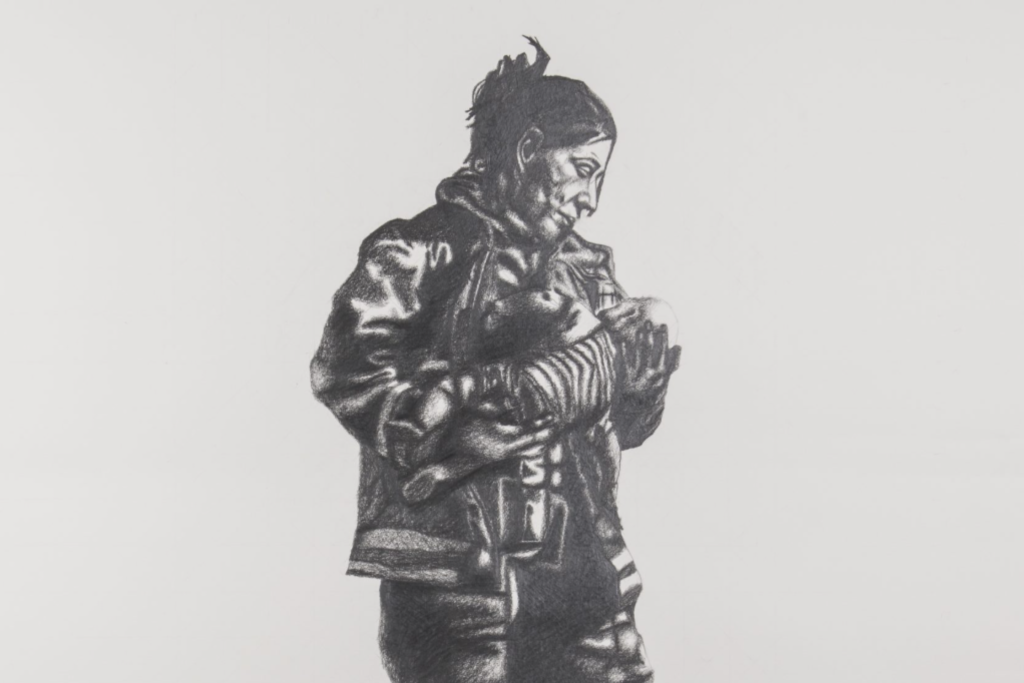
Temporary exhibition of sculptures and drawings by Yorkshire artist Paul Digby capture the people behind the uniform in their daily roles protecting society, from the pandemic to the everyday moments that often go unseen, becoming Just Another Day on Duty for our emergency workers.
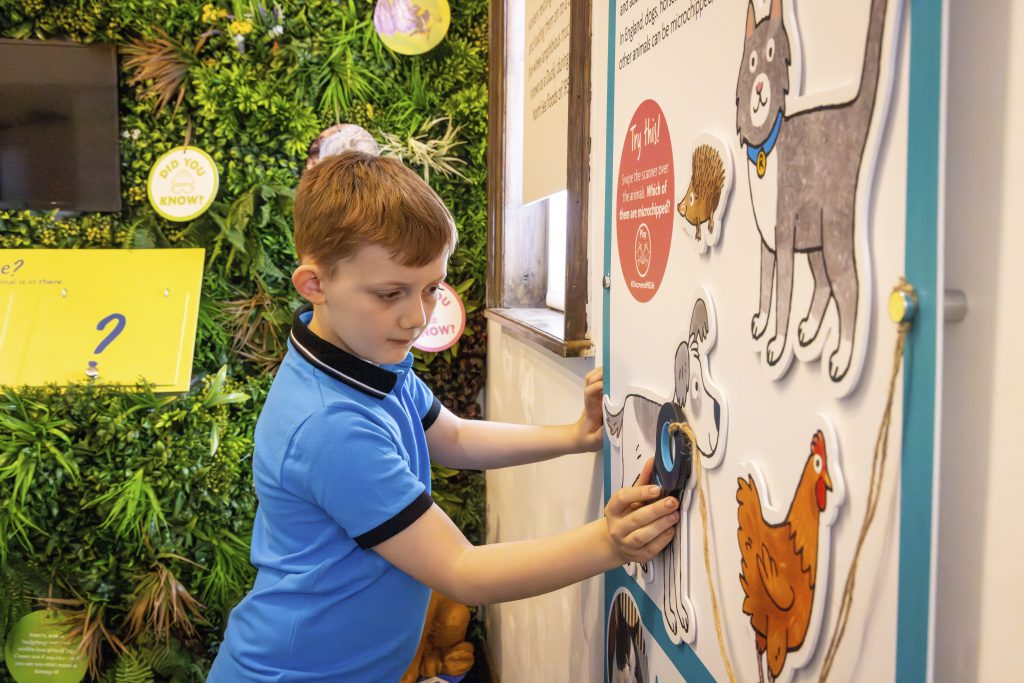
After three years celebrating 200 years of the RSPCA, our RSPCA exhibition will soon come to an end. This special exhibition has explored the remarkable history of the RSPCA, tracing
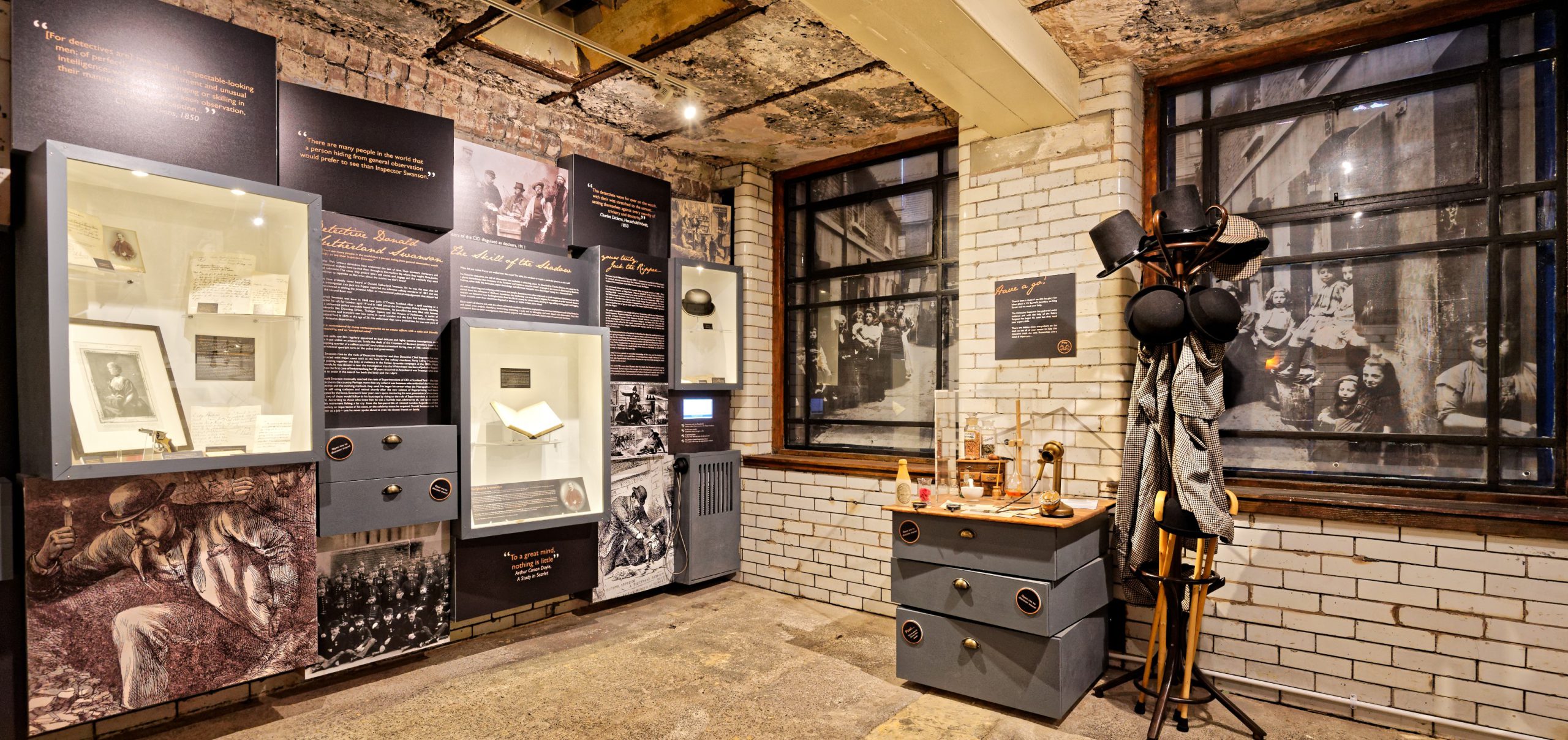
Daring Detectives & Dastardly Deeds (Police Cells)
Housed within our original Victorian police cells, this exhibition explores the compelling history of 19th-century crime and punishment. Step into the world of the bobby on the beat and uncover the lives of the thieves, forgers and murderers who once stalked the darkened streets of Victorian Britain. Featuring star items from the archive of Donald Sutherland Swanson, the detective in charge of the Jack the Ripper investigation, alongside original documents, weapons and personal objects, the exhibition brings policing face to face with those it pursued. Get hands-on by trying to solve a crime, discover whether you have what it takes to be a ‘peeler’, and experience life inside the cells where suspects were once held. This is an immersive look at crime, justice and the human stories behind the headlines.
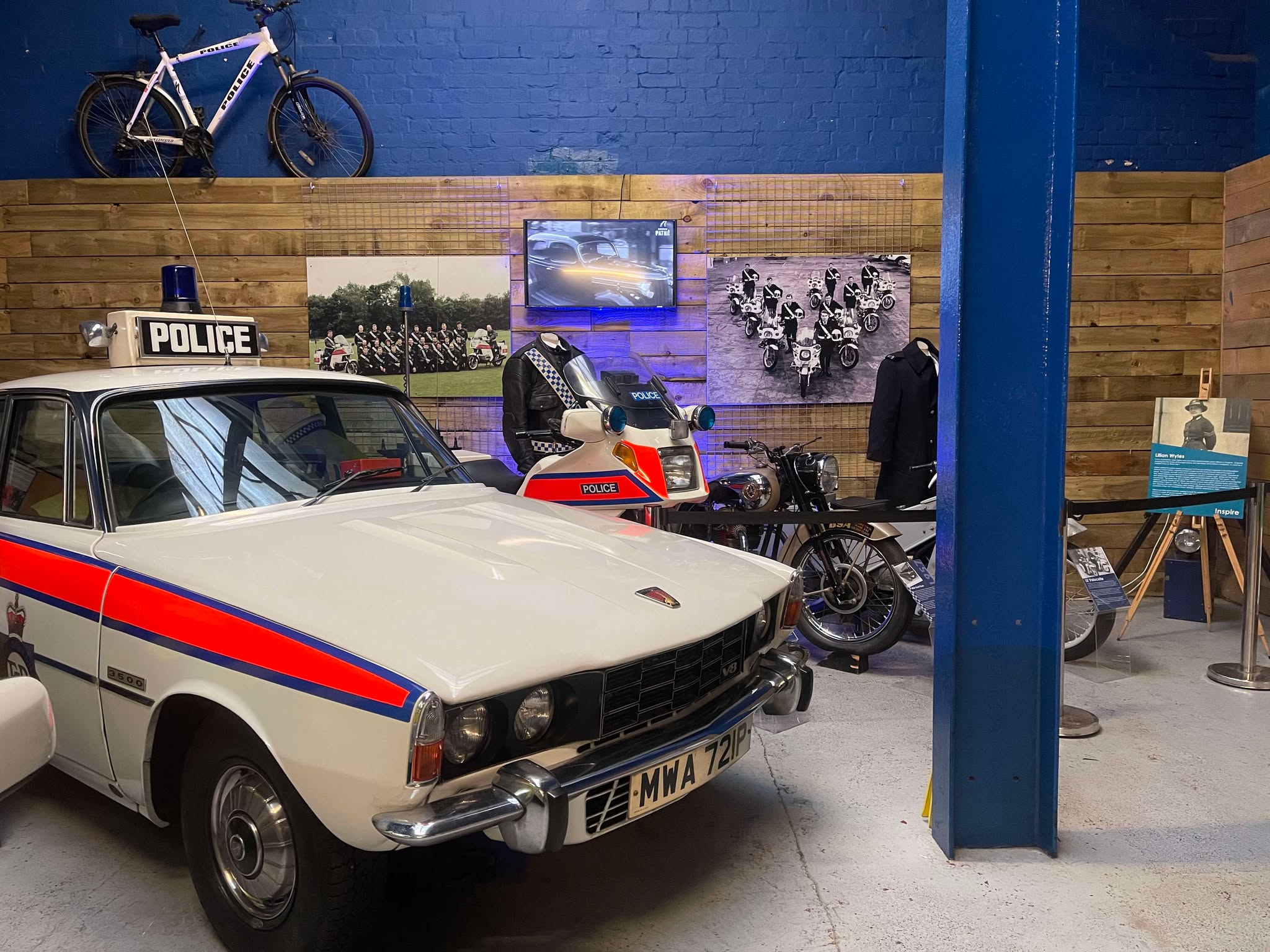
The Police Gallery: 20th Century Policing
Originally the police stables when our building opened in 1900, this area would have housed up to 12 horses. Later, when the force's motorised division moved into West Bar, this became 'the garage' where mechanics would maintain the fleet of police vehicles for the area. With the museum's extensive collection of police vehicles, this exhibition area showcases just some of the amazing police vehicles in our collection, focusing not just on their wheels but also on the equipment and specialist departments used by police forces then and now. This gallery space is due to be revamped mid 2026 as part of the museums ongoing development projects.
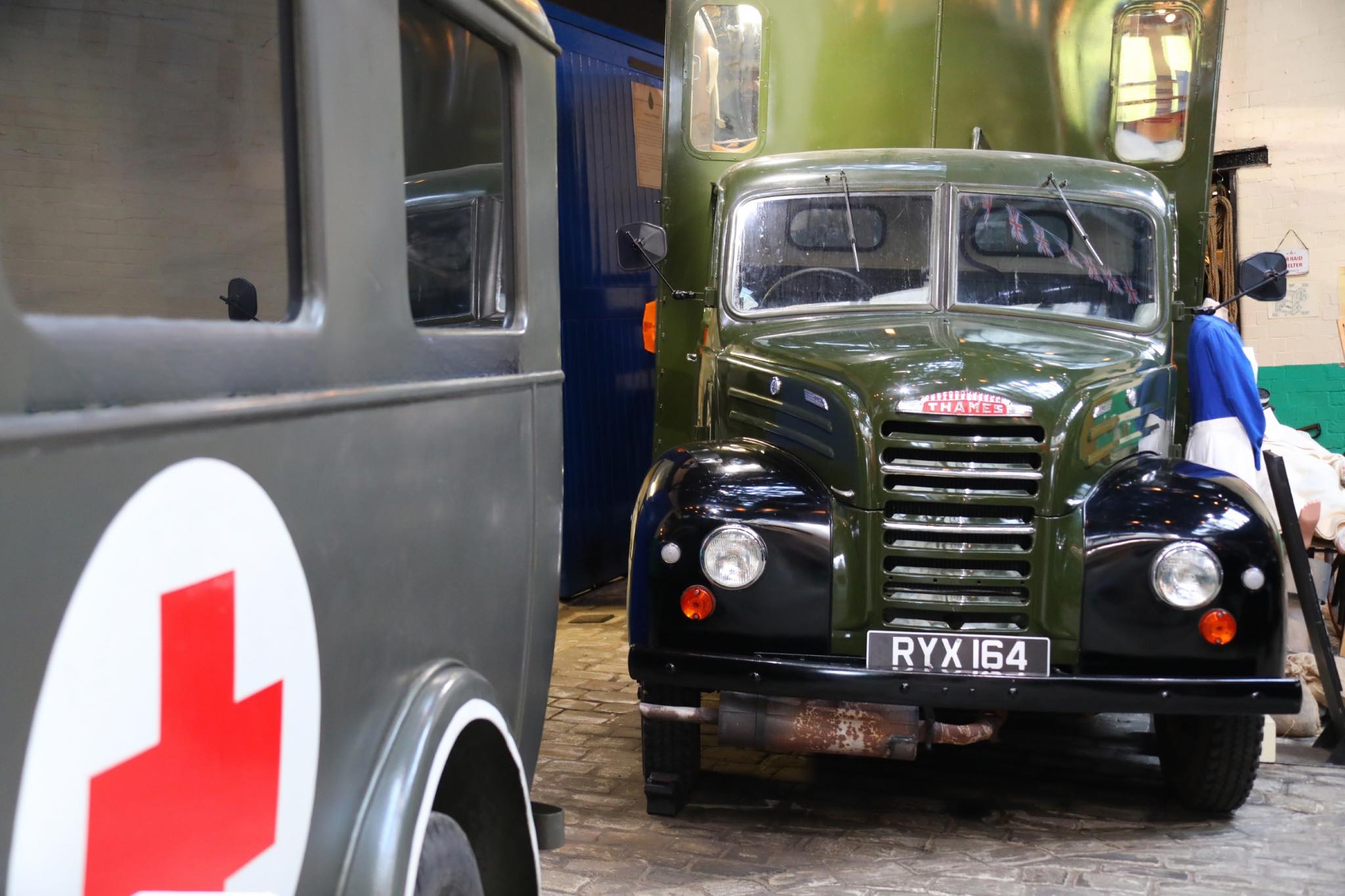
Blood, Bandages and Blue Lights: The birth of the Ambulance Service
Our cobbled courtyard once housed Sheffield’s first free public ambulance, making it the perfect setting for Blood, Bandages and Blue Lights. This exhibition explores the origins of the UK ambulance service and marks the anniversary of the National Health Service, telling the story of how emergency medical care developed in response to need, conflict and community. Through personal stories, original objects and historic vehicles, it highlights the vital role of ambulance crews, including the lifesaving work of the Air Raid Precautions (ARP) ambulance service during the Second World War.
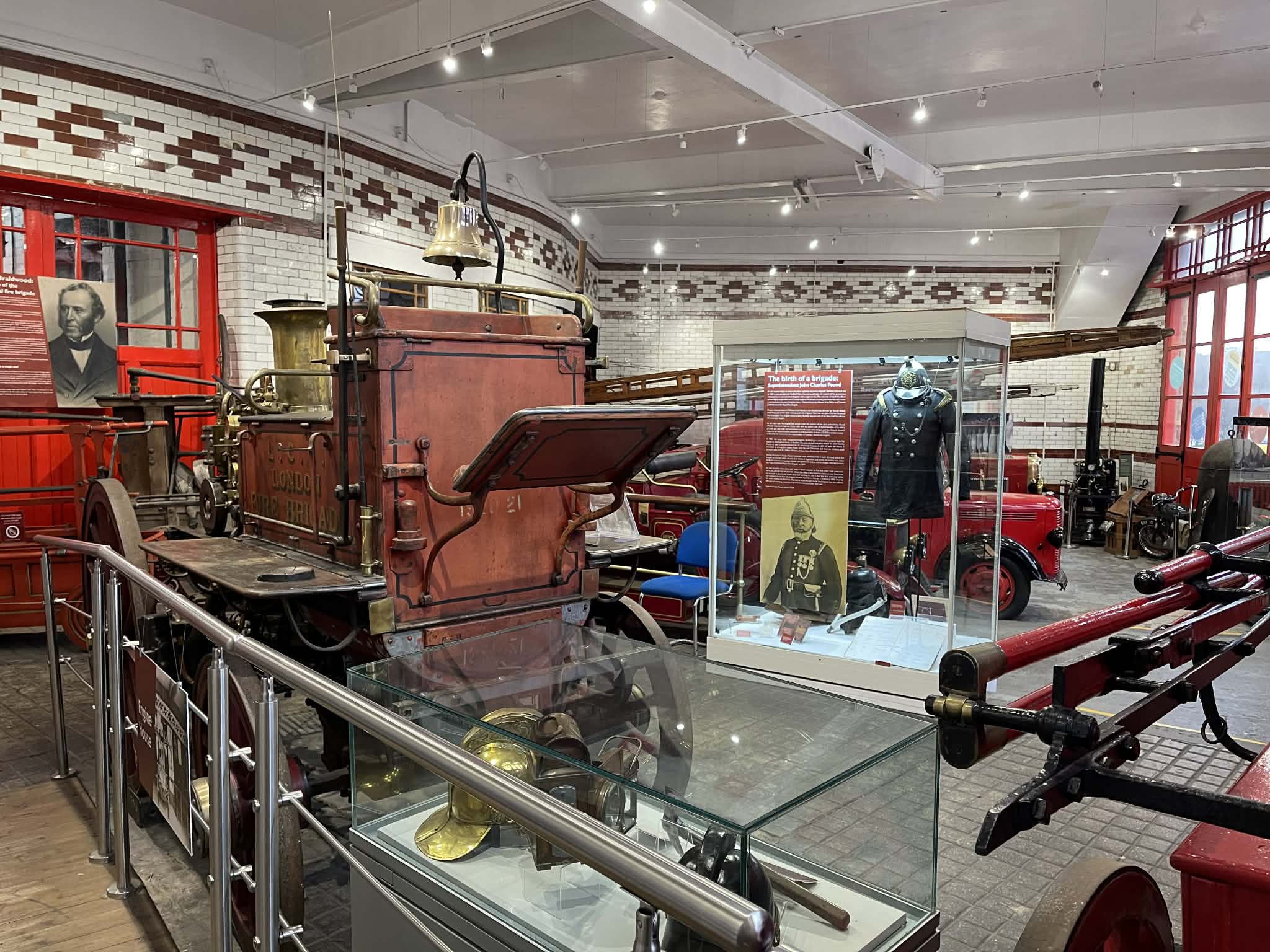
The Engine House: The Birth of the Modern Fire Service
Originally built to house three horse-drawn fire engines when the station was in active use, this space now showcases part of the museum’s historic firefighting collection. Following the development of fire engines from hand-pulled parish pumps through to the motorised vehicles of the 1920s and 1930s. Through original objects, interpretation and the historic setting itself, the exhibition explores what firefighting was like at the turn of the 20th century. It reveals how advances in technology and equipment — from horse power to steam and eventually motor power — transformed the way fires were fought and helped shape the modern fire service.
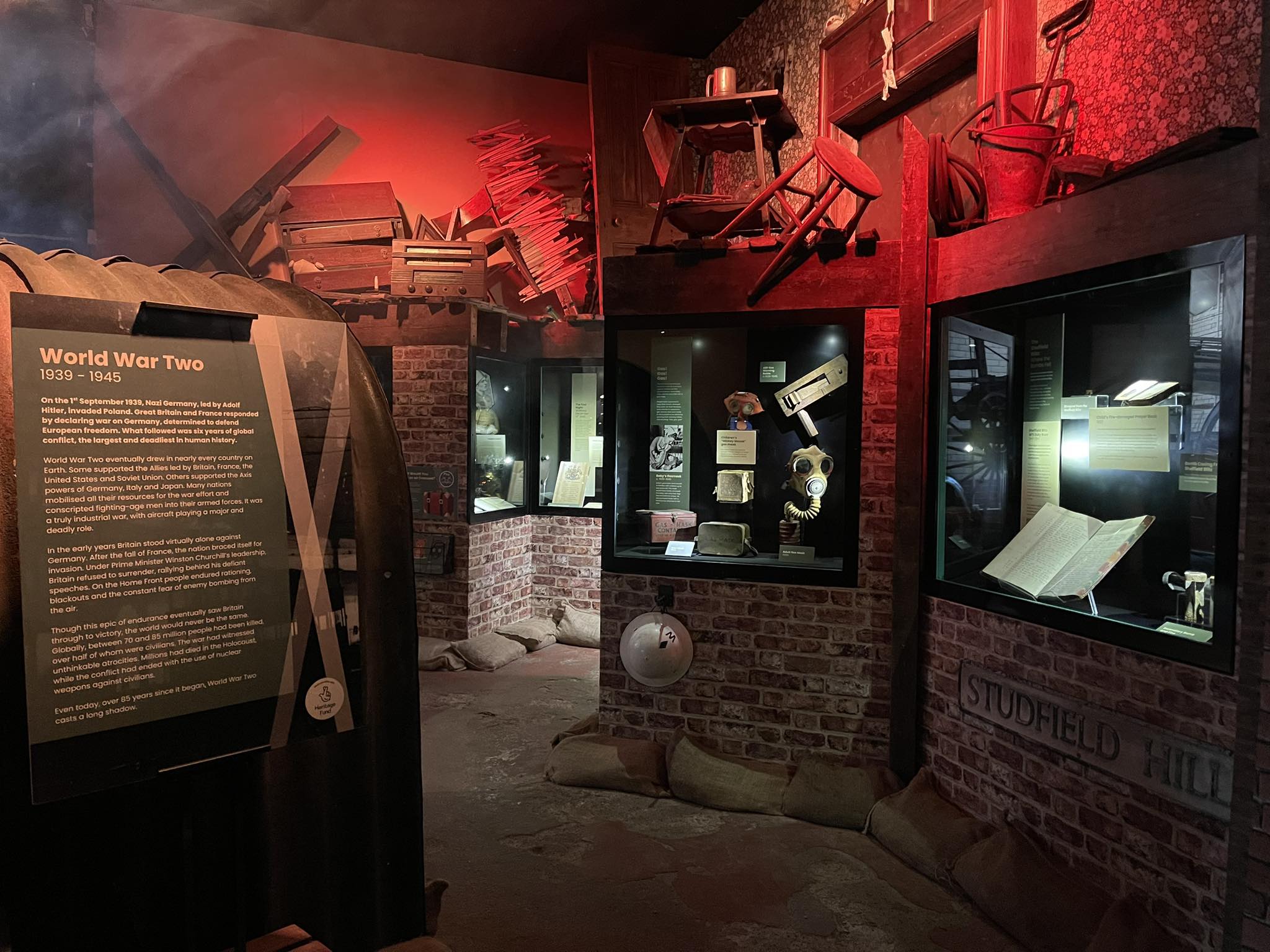
WWII and The Blitz
Our Blitz exhibition tells the powerful story of how the emergency services responded to war on the home front. Through personal stories, original objects and first-hand accounts, it explores how police, fire and ambulance services worked through the chaos of air raids and destruction. The exhibition also highlights the vital role children played during the Blitz — from acting as messengers and helpers to adapting to daily life under blackout and rationing. Told through Sheffield voices and set within the historic station that once served the city, it reveals the human impact of war on a city, its communities and the emergency services who supported them. This exhibition was created in partnership with the Sheffield Blitz Memorial Trust with thanks to funding from the National Lottery Heritage Fund.
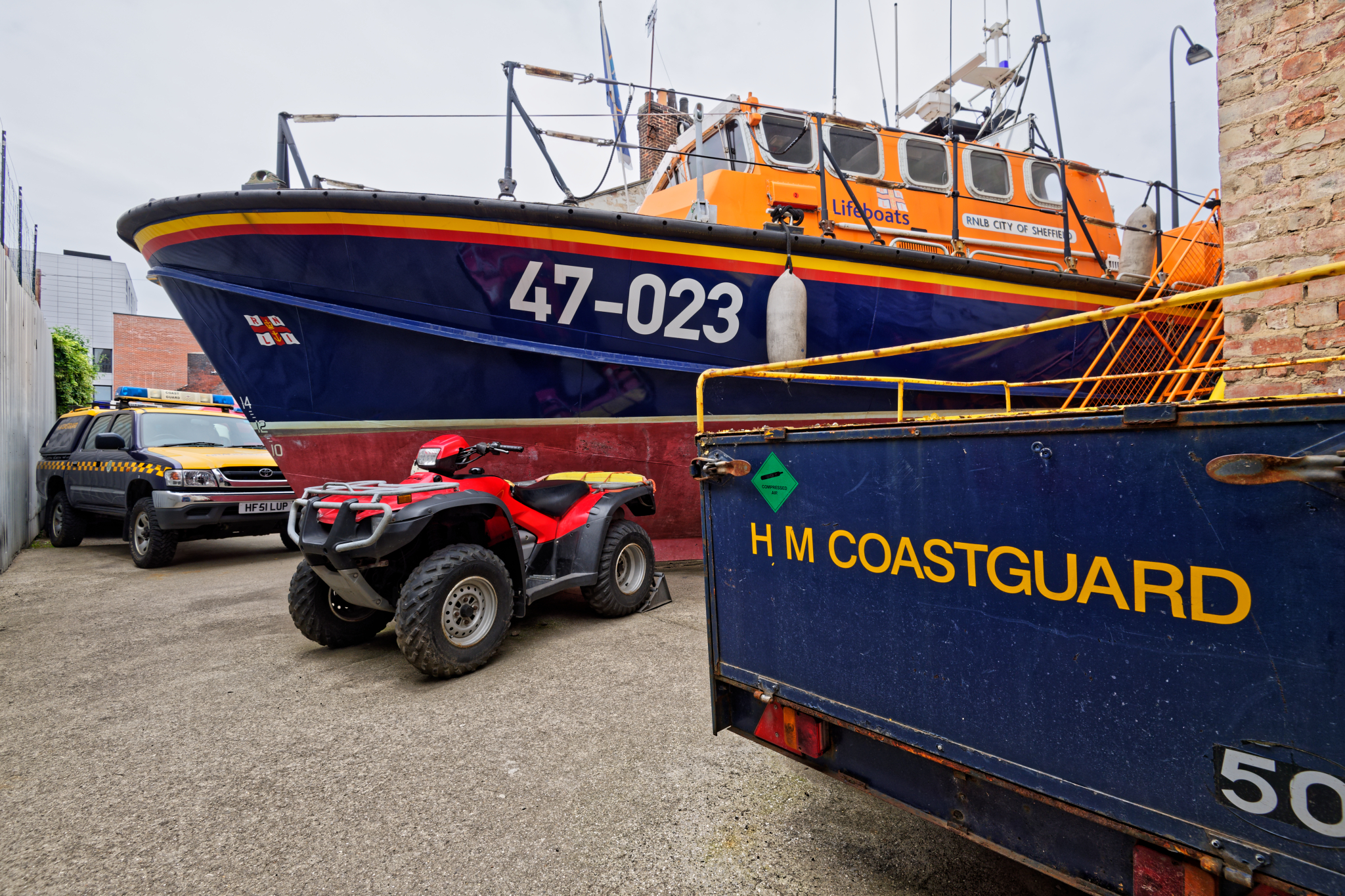
Outdoor Zone and the Lifeboat
Our outdoor zone is home to some of the museum’s largest exhibits — our ‘Mega Machines’ — all of which played vital roles in supporting the emergency services. These impressive vehicles and vessel reflect the scale, power and teamwork required to respond to emergencies on land and at sea. The star exhibit is our 47-foot-long RNLI Tyne Class lifeboat, 'City of Sheffield'. Once an active lifesaving vessel, it patrolled waters around the UK, serving the communities of Whitby in North Yorkshire and later Poole in Dorset. Today, it stands as a powerful reminder of the dedication, skill and bravery of those who risked their lives to save others. At selected times throughout the year, our team offers special guided tours inside the lifeboat. Please see our What’s On page for more information and upcoming dates.
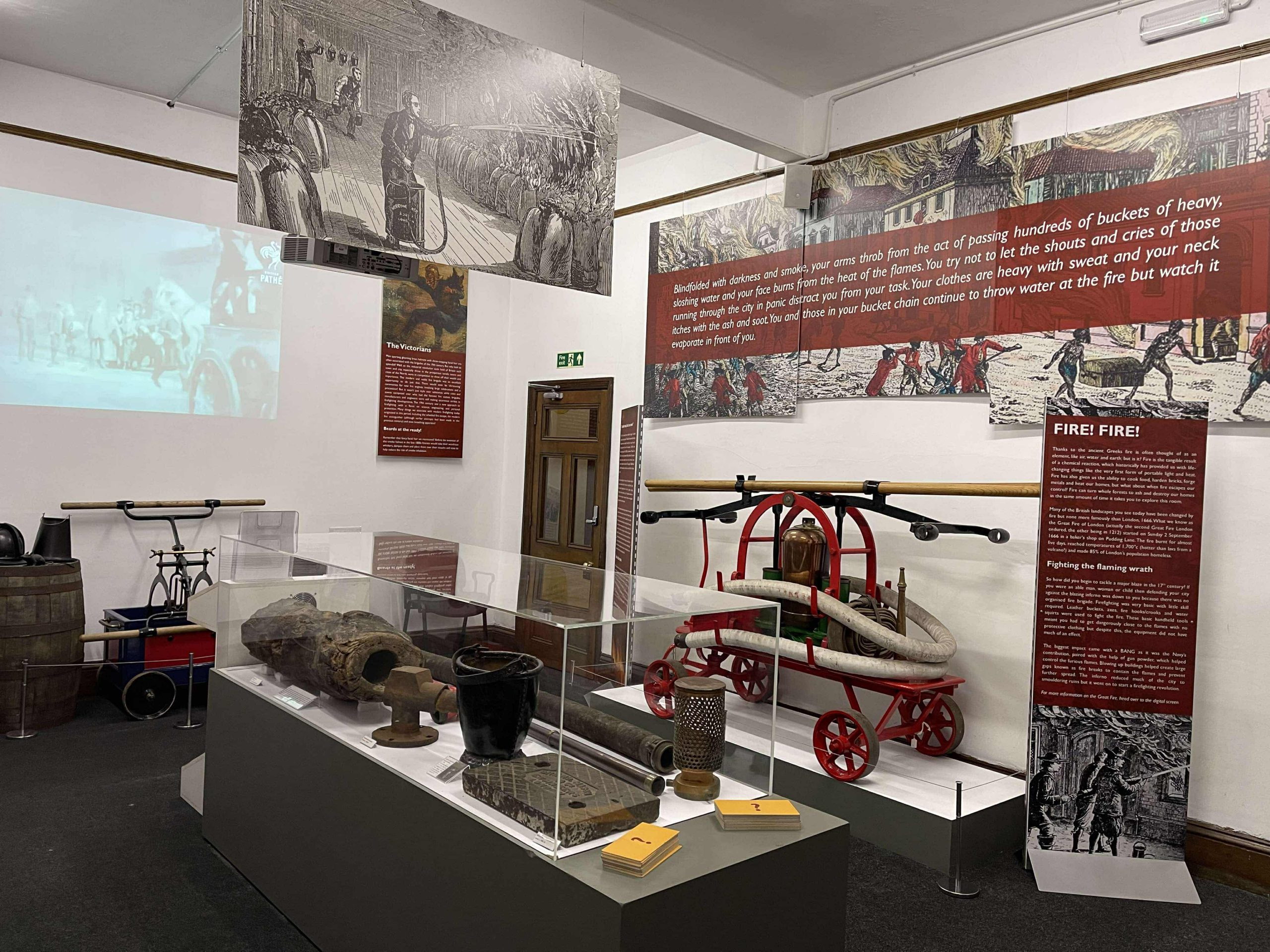
From Fiery Blaze to Fire Brigades
Today, if we need the fire brigade, we dial 999 knowing help will be on the way. But what did people do before organised fire brigades existed? Fiery Blaze to Fire Brigades traces the birth of the modern fire service from the fiery blaze of the Great Fire of London to the 1920s, exploring how early insurance brigades — which only attended fires if payment was guaranteed — evolved into professional, organised services for the public. Through historic fire pumps, equipment and uniforms dating back over 200 years, the exhibition reveals how ideas of public safety and firefighting changed over time.
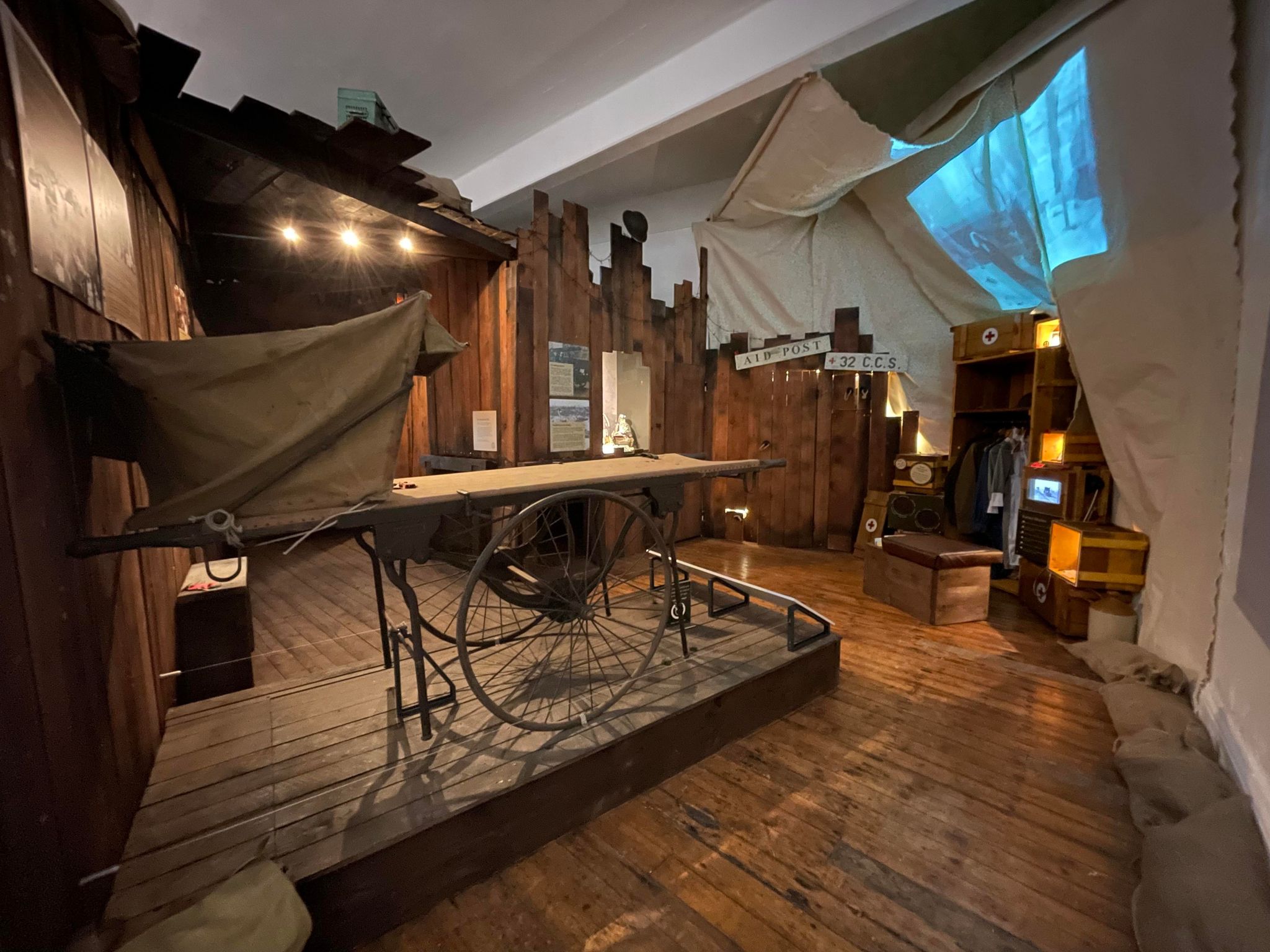
For King and Country: WWI exhibition
The exhibition 'For King & Country' explores the role of police, fire, ambulance and coastguard personnel during the Great War, both on the front line and at home, and how the conflict shaped the development of the emergency services. From the men who left the police and fire services to “do their bit” as soldiers, to the women who seized new opportunities during the war, the exhibition highlights some of the lesser-known heroes of the First World War. Set within a recreated trench dugout, the exhibition features a unique collection of historic objects, many on display for the first time, bringing these stories to life through video, atmosphere and audio.
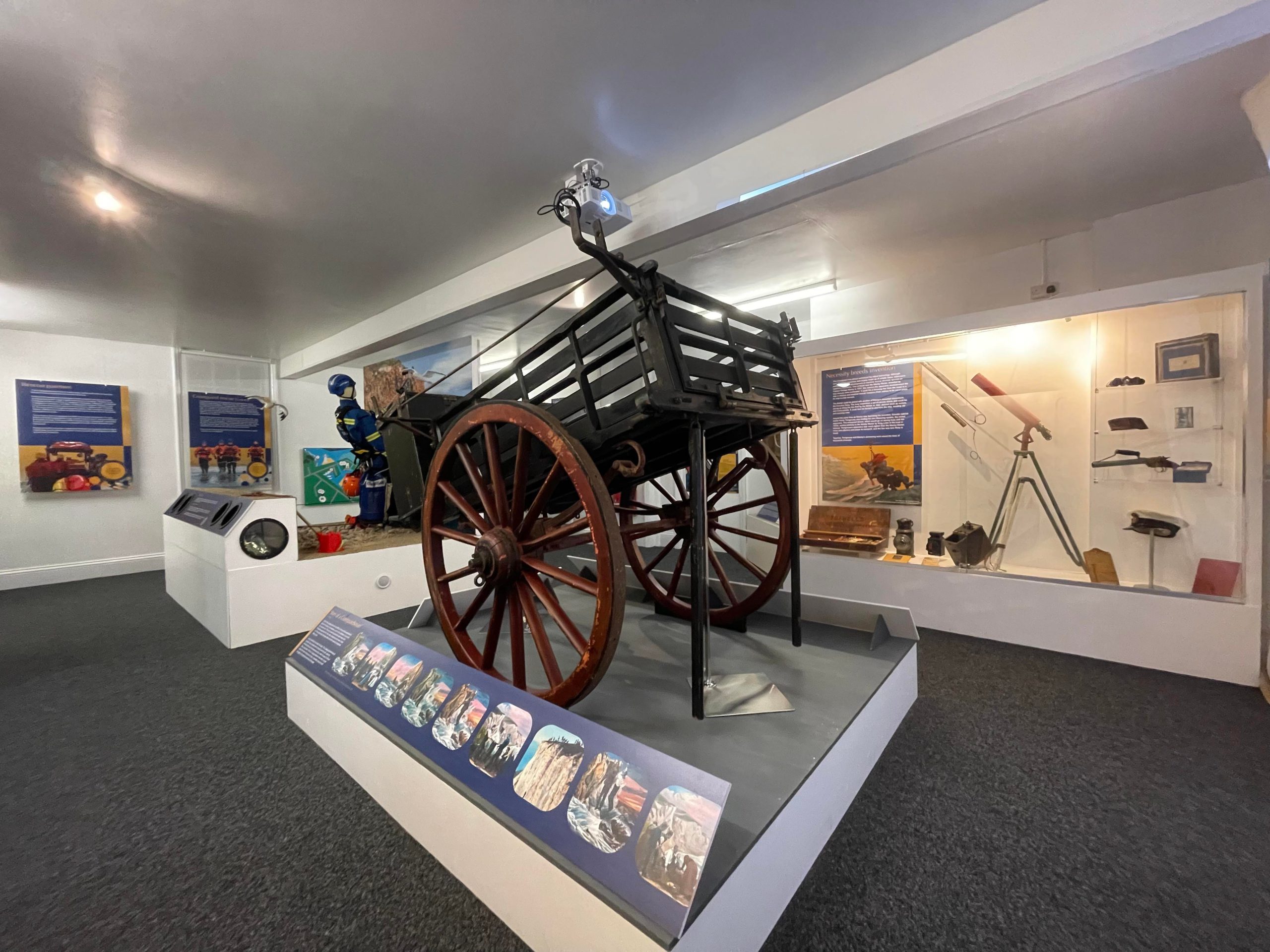
Guarding the Coast: 200 years of HM Coastguard
To mark their 200th anniversary, in partnership with the Maritime and Coastguard Agency we developed 'Guarding the Coast', an exhibition exploring the history of the Coastguard and its role. Featuring objects from the HM Coastguard collection, cared for by the museum, many of which have never been publicly displayed before, the exhibition celebrates the people who have dedicated their lives to saving lives at sea. It also explores how technology has changed over the past two centuries and the continuing role of the Coastguard both at sea and on land.
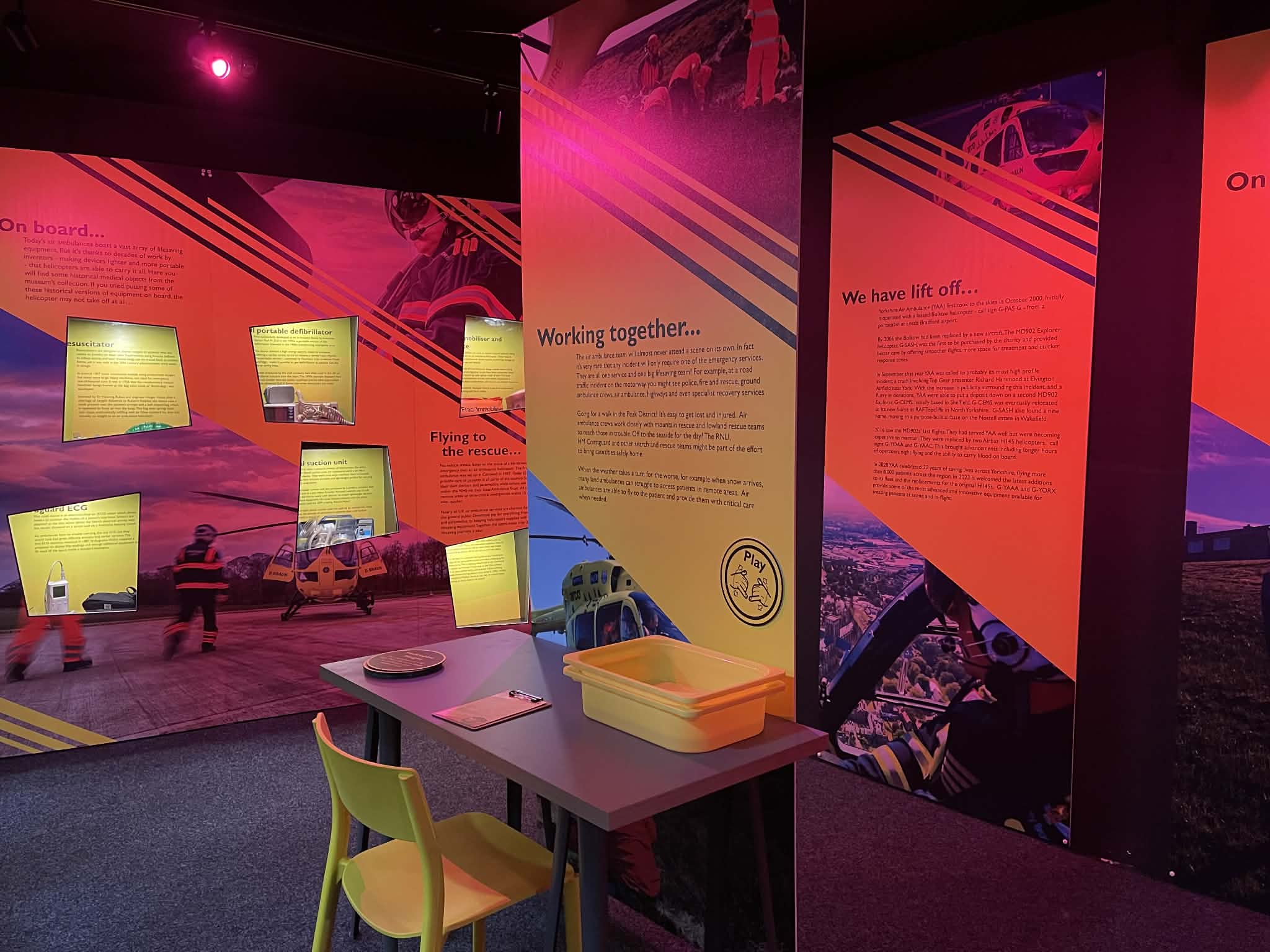
Pilots, Paramedics and Propellers: Flying Ambulances
This exhibition explores the life-saving work of the UK’s air ambulance services. It looks at how air ambulances can now fly at night, the science behind flight, and the development of lighter, modern medical equipment that has turned helicopters into mobile hospitals in the sky. The exhibition also highlights the vital role of staff and volunteers who help keep this self-funded emergency service in the air. Featuring the story and flight suit of Lea Parker, a local man who was among the first airborne medics to land at a major London terror incident in 2007. The exhibition was created in partnership with Yorkshire Air Ambulance and funded by the Church Burgesses Educational Foundation.
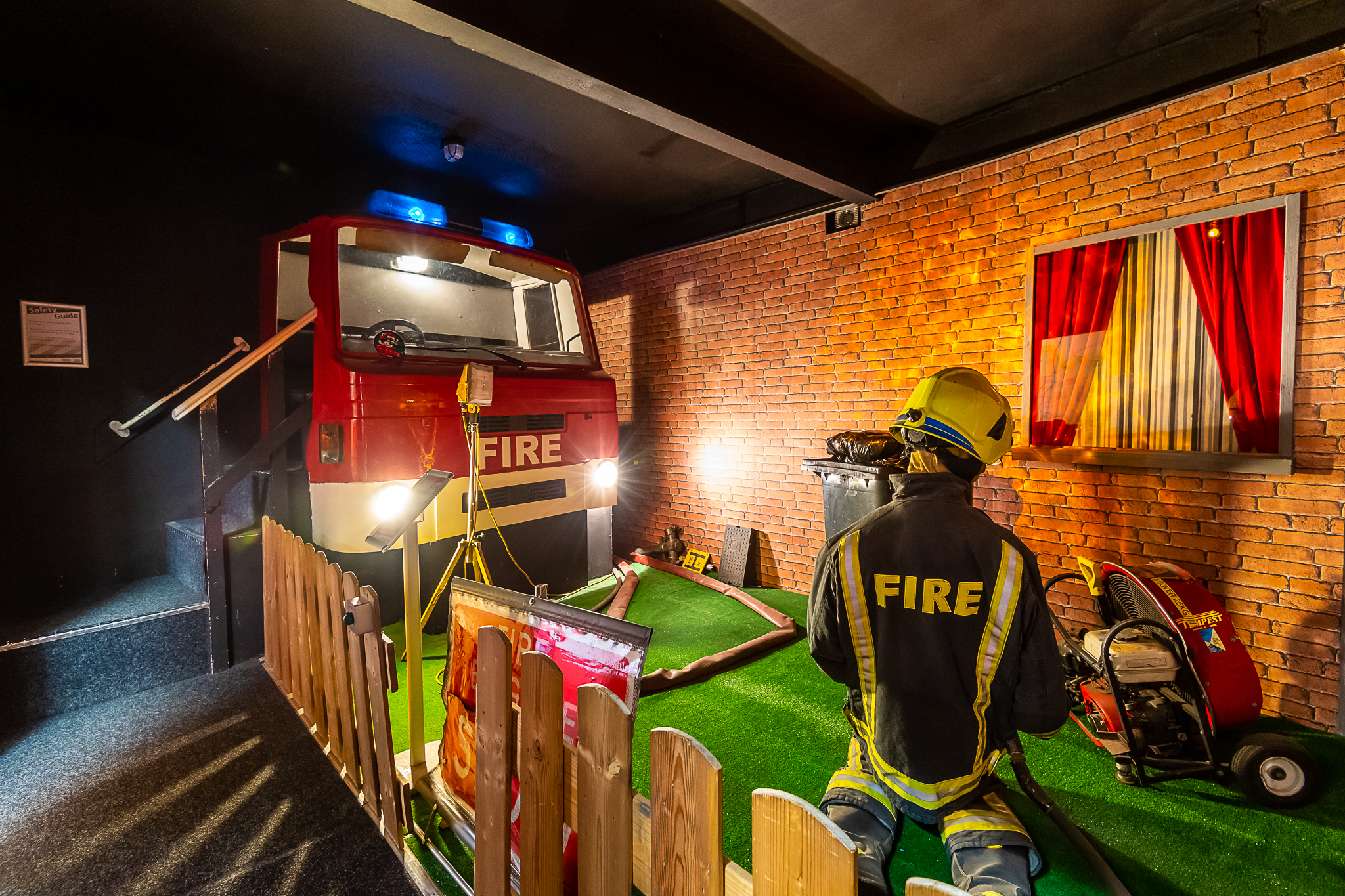
Today's Emergency Services (Safety Street)
The second floor of the building is home to our Today’s Emergency Services exhibitions. These rooms offer a snapshot of the work of modern emergency services, including mountain rescue, the Royal National Lifeboat Institution (RNLI), HM Coastguard and the Air Ambulance Service. Visitors can also explore an interactive house fire and road traffic collision display or hop on our police motorbike and experience a real police chase. 'Safety Street' is due to be refurbished during 2026 to reflect present day incidents in and around the home.
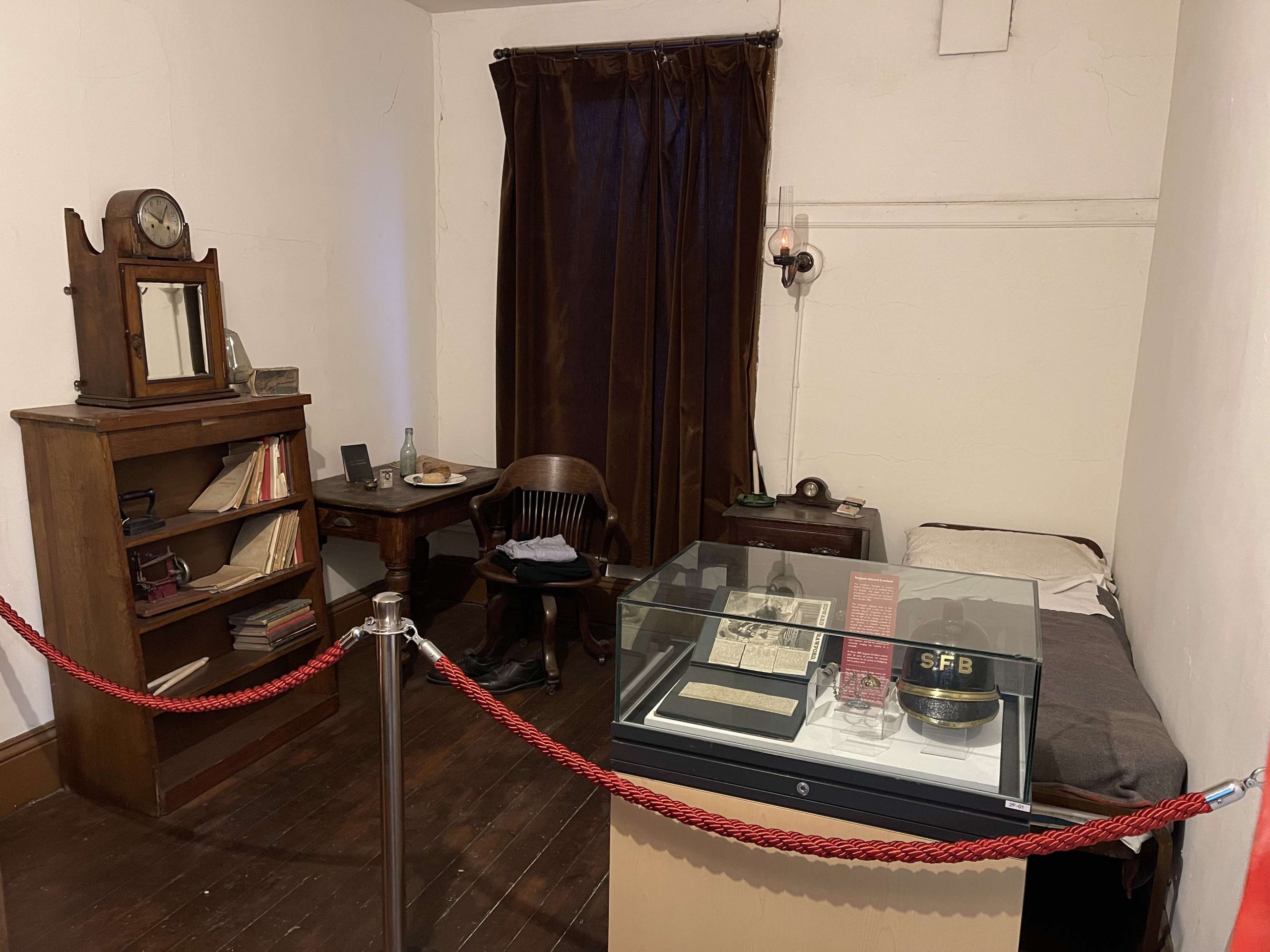
The Bedroom
The second floor of the museum building was once home to 21 bedrooms for firemen and maids who lived on site. One of these rooms has been preserved to give a glimpse into what life would have been like for those living in the building in 1900.